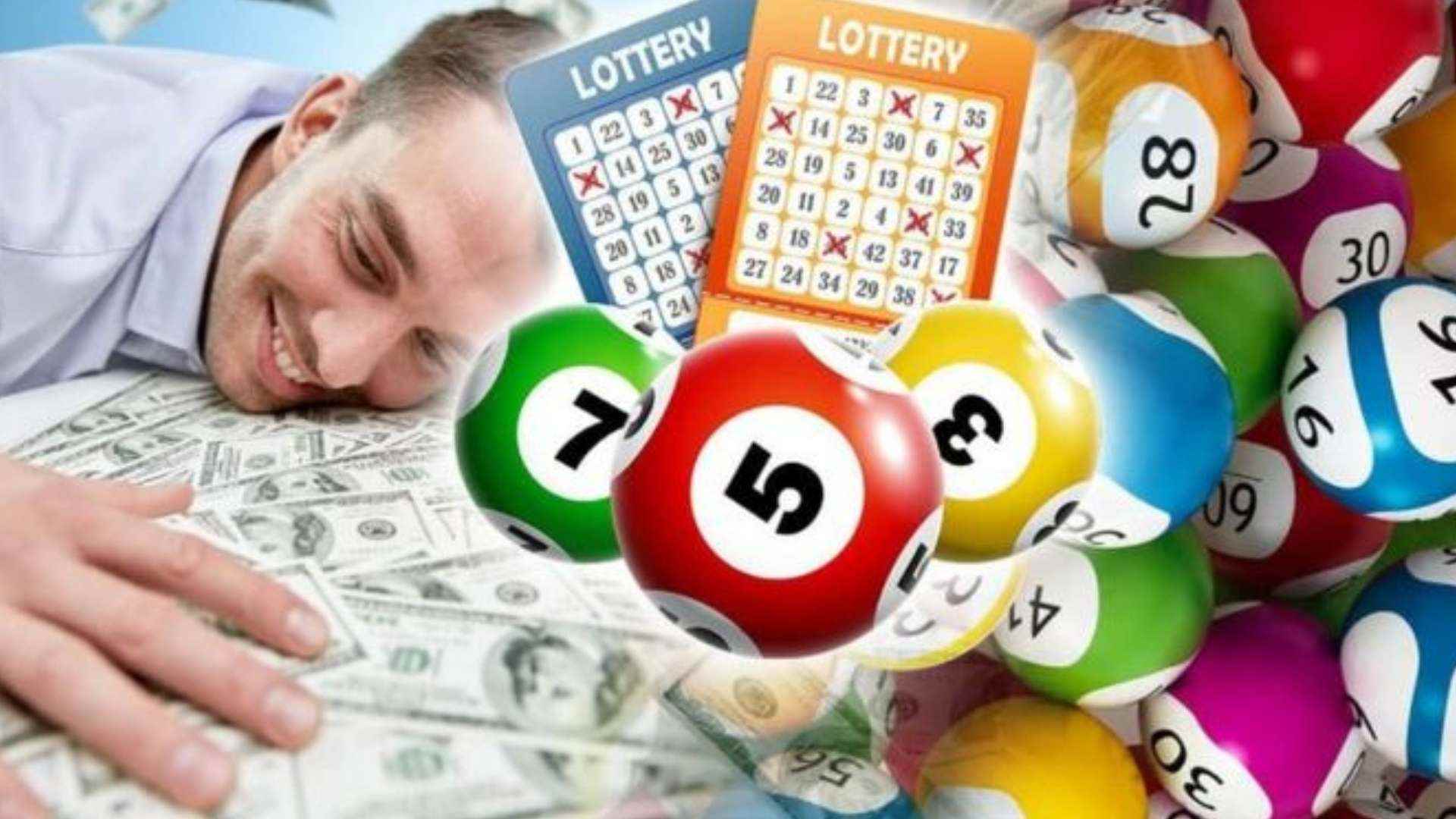
Modern entertainment relies heavily on predictable narratives and carefully structured gameplay loops, yet the introduction of pure chance remains a powerful tool for captivating global audiences. From the shuffle feature on music streaming applications to randomized loot distribution in massive multiplayer video games, the unpredictability of random selection provides a distinct psychological thrill that structured environments cannot replicate. By shifting control away from intentional human choice, these mechanics create a unique form of shared anticipation that enhances engagement across various digital mediums.
The Cognitive Pull of Varied Outcomes
Human psychology is naturally drawn to situations where the final outcome is completely uncertain. When individuals interact with systems built around random variance, the brain experiences a heightened state of curiosity and situational awareness. This cognitive response transforms routine entertainment activities into deeply engaging experiences that keep users focused on what might happen next.
Furthermore, random selection serves as an excellent equalizer in casual social games. Because results do not depend on individual skill or experience levels, every participant enters the activity with an identical opportunity for success. This structural fairness removes competitive tension and fosters a more inclusive atmosphere for casual players.
The Evolution of Chance in Digital Platforms
The transition from physical drawing tools like dice and cards to sophisticated software algorithms has completely revolutionized the entertainment industry. Modern digital interfaces can deliver complex, mathematically unbiased random results instantaneously, allowing for seamless integration into diverse interactive designs. This immediate feedback loop maintains high engagement levels while eliminating the logistical challenges of traditional physical randomizers.
Many popular online systems, including specialized gaming interfaces like m88, integrate clear probabilistic frameworks to ensure transparency and trust during user interactions. Providing a visible representation of mathematical chance allows platforms to satisfy player demand for authentic fairness. Consequently, users feel more comfortable engaging with randomized features over extended periods.
Bypassing Content Fatigue Through Spontaneity
In an era defined by endless choices and massive media libraries, many consumers experience a form of exhaustion known as decision fatigue. Having to browse through thousands of potential movie titles or music albums often leads to frustration rather than relaxation. Random selection tools eliminate this issue by completely automating the decision-making process for the user.
This mechanical spontaneity frequently introduces individuals to novel content that they would have otherwise overlooked due to personal biases or habits. By disrupting predictable selection routines, randomizers encourage broader exploration and maintain a sense of freshness within entertainment ecosystems. Users can sit back and let the system deliver surprising discoveries without the mental burden of analyzing options.
Designing Sustainable Surprise Mechanics
Creating effective random features requires a careful balance between statistical variety and player expectations. If a system is entirely chaotic, it risks alienating users who desire a sense of personal progression or structural continuity. Successful developers overcome this by blending randomized rewards with reliable milestones, ensuring that the experience feels both surprising and rewarding.
Ultimately, the enduring popularity of random selection highlights a fundamental truth about human leisure habits. While structure and mastery are essential components of engagement, people still crave the raw excitement of unexpected moments. Embracing pure chance ensures that modern entertainment platforms remain dynamic, lively, and thoroughly memorable.